
The Lightning Network: A Double-Edged Sword for Bitcoin Security
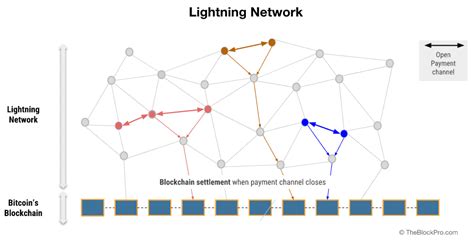
As Bitcoin continues to evolve, one of the most debated topics among enthusiasts is the potential impact of the Lightning Network (LN) on the security of the underlying cryptocurrency. While LN has been hailed as a revolutionary solution for increased scalability and usability, it also raises concerns about its implications for the Bitcoin ecosystem.
What is the Lightning Network?
The Lightning Network is a decentralized network that allows users to make fast, low-cost transactions without relying on traditional payment processors or banks. It enables the creation of multiple parallel chains (or “channels”) that can be used for various purposes, such as micropayments, microtransactions, and even staking.
Reducing Miner Fees: A Double-Edged Sword?
One of the primary concerns with LN is its potential to reduce miner fees. When miners participate in channels on the Lightning Network, they receive a share of transaction fees that are transferred directly from users to them. This means that miners can earn more than their traditional fee, which has historically been around 0.0005 BTC per transfer (approximately $10 at current exchange rates). By reducing miner fees, LN could potentially benefit both miners and consumers.
However, this raises questions about the long-term viability of Bitcoin as a store of value. If miners are incentivized to participate in channels, they may become less likely to mine traditional Bitcoin, potentially reducing its scarcity and increasing inflation.
Displacing Miner Fees into Second Layers?
Another concern is that LN’s decentralized nature could lead to a displacement of miner fees into second layers (or “off-chain” transactions). This would create a new set of intermediaries between users and miners, potentially leading to increased complexity and costs for consumers.
While this may seem like a positive development, it also raises questions about the decentralization of value in Bitcoin. If channels on LN are not incentivized to participate, they may simply be used for speculation or other purposes, further reducing the incentive for miners to maintain traditional mining infrastructure.
Conclusion
The Lightning Network is an intriguing solution that could improve scalability and usability for users. However, its potential impact on miner fees and the Bitcoin ecosystem raises significant concerns about security and decentralization.
In the long run, if LN’s decentralized nature leads to a displacement of miner fees into second layers, it could potentially undermine the value and legitimacy of Bitcoin as a store of value. To mitigate these risks, it is essential for developers and stakeholders to carefully consider the implications of LN on the ecosystem and work towards ensuring that its benefits are shared equitably among all users.
Recommendations
To ensure the sustainability and security of Bitcoin in the face of LN’s potential impacts:
- Improve decentralization: Encourage the development of decentralized platforms and applications that do not rely on traditional payment processors or banks.
- Increase incentives for miners to participate in channels: Implement mechanisms to incentivize miners to participate in channels, such as rewarding them with additional cryptocurrency or reducing their transaction fees.
- Ensure transparency and accountability: Ensure that all transactions on LN are transparent and accountable, allowing users to track the flow of funds and identify potential risks.
- Develop alternative solutions: Consider developing alternative solutions that do not rely on the Lightning Network for scalability and usability.
Ultimately, the future of Bitcoin depends on its ability to adapt to changing market conditions and user needs while maintaining security and decentralization.