
“Cryptocurrency: How It Works – Understanding the Key Concepts”
The world of cryptocurrency is built on a complex web of transactions and exchanges. At its core, every transaction is conducted through a public ledger known as a blockchain. This digital record provides a secure way to verify ownership of assets, track who owns them, and ensure that all transactions are recorded in a tamper-proof manner.
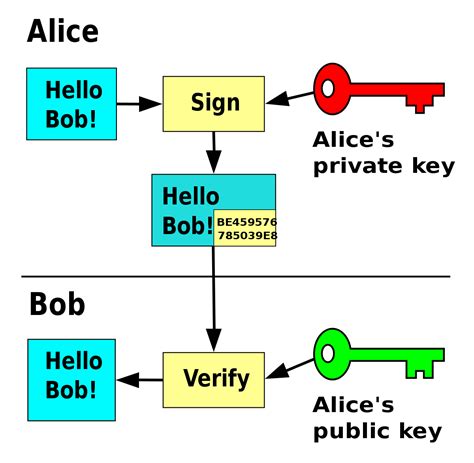
A key concept that enables this process is the use of a public key. A public key is a unique code used for encryption purposes. When you send cryptocurrency to someone else, your private key is used to decrypt it, and their public key can be used to encrypt your message or signature. This ensures the integrity and security of the transaction.
Another essential element that makes trading easier is the
Market Order
. A market order is a specific price at which an exchange will buy or sell a specific asset. Market orders are typically filled at the best available price, regardless of any changes that may occur after the original order. This strategy helps maintain price stability and provides liquidity to markets.
However, a significant drawback of market orders is the high
Transaction Fee. Transaction fees are charged as a percentage of the transaction amount and are collected by the exchange on behalf of the sender or receiver. The higher the transaction fee, the more expensive it will be to send cryptocurrency to someone else. As a result, some users may opt for alternative payment methods that have lower transaction fees.
To reduce these costs, exchanges often use various strategies, such as the
Taker Makers and
Maker Taker models. In the taker maker model, the exchange pays the maker (the entity placing the market order) a set amount of cryptocurrency for each transaction, regardless of whether it is profitable or not. This gives the creators an incentive to provide liquidity to the markets.
In contrast, the “maker-taker” model does not involve paying the takers (those who buy at the best available price) a fee for their services. Those involved in transactions still benefit from lower transaction fees compared to market orders.
Conclusion
Cryptocurrencies rely on complex systems that rely heavily on public keys, market orders, and transaction fees. Understanding these key concepts is essential for anyone interested in this digital asset. By understanding how transactions are facilitated by the blockchain, how prices are executed in market orders, and what strategies are used to contain costs, users can more effectively navigate the world of cryptocurrencies.
Sources:
- “Understanding Cryptocurrency” by The Block
- “Market Order” by CoinDesk
- “Transaction Fee” by Coindesk