
Future of blockchain interoperability: Revolution of objects (IoT)
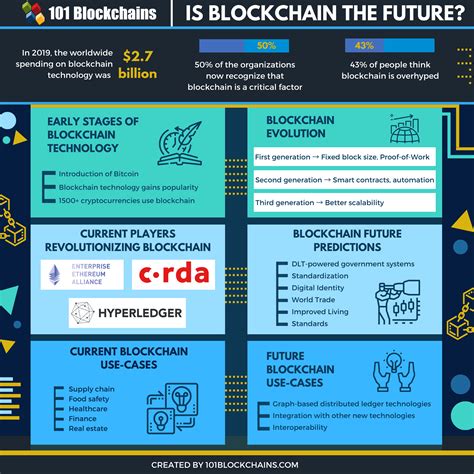
As we continue to take advantage of the power of blockchain technology, its possibility extends exponentially to various sectors beyond traditional financial transactions. One area that is particularly promising to interoperability to blockchain is the Internet of objects (IoT). In this article, we examine how the cryptocurrency can facilitate smooth interactions between various blockchain networks, revolutionizing the way IT applications are designed and installed.
What is blockchain interoperability?
The blockchain interoperability suggests that the various blockchain networks are capable of communicating with each other smoothly. This means that users can transmit tools, data or values in multiple blockchains without any question or restrictions. Interoperability is essential for promoting a decentralized ecosystem where several platforms can exist and benefit from each other’s strengths.
The role of cryptocurrency in blockchain interoperability
Cryptocurrencies, such as Bitcoin (BTC) and ETHEREUM (ETH) have already proven that they are able to facilitate blockchain interoperability through various networks. These currencies allow the creation of bridges, which allow users to transfer devices between blockchairs without risking security or interrupting operations.
For example, the ERC-20 Token standard on Ethereum network is designed to be compatible with other platforms such as the Binance Smart Chain (BSC). This allows developers to make decentralized applications (dapps) that can run on multiple blockchain networks, promoting a more vivid and connected ecosystem.
Benefits of blockchain interoperability
The benefits of blockchain -interoperability are many:
- Decentralized applications : If you allow DAPP to be structured on multiple blocks, you will open new opportunities for decentralized innovation.
- Cooperation between platforms : Interoperable blockchairs allow smooth cooperation between the team and organization of various industries.
- Increased adoption : By facilitating interoperability, blockchain ecosystems can attract more users, developers and investors.
- Improved security
: With the cooperation of several currencies and protocols, the risk of security violations is minimized.
Real examples of interoperability of blockchain
Numerous projects showcase opportunities for blockchain interoperability:
- IBM Blockchain-As-a-A-A-A-A-A-A-Service (BAAS) : IBM has developed a cloud-based platform that allows smooth interactions between various blockchains, including its own blockchain.
2.
- Aragon platform : Aragon is an open source blockchain platform that allows interoperability between various networks, including Ethereum and Solana.
Challenges and restrictions
While blockchain interoperability gives you tremendous promises, there are still many challenges and restrictions:
- Security Risks : Providing the security of multiple transit chains can be a complex challenge.
- Dimensions Problems : Interoperable blockchairs can struggle with scalability, which can limit their acceptance.
- Regulatory frameworks : Governments continue to struggle with blockchain interoperability requirements and standards.
Conclusion
The future of blockchain interoperability has enormous potential for promoting innovation, promoting decentralized ecosystems and creating new business models. Cryptocurrencies, such as Bitcoin and Ethereum, have already proven the power of interoperable blockchairs, and we can expect more projects in this area when the industry continues to grow.